Our Location
Palakkad, Kerala India

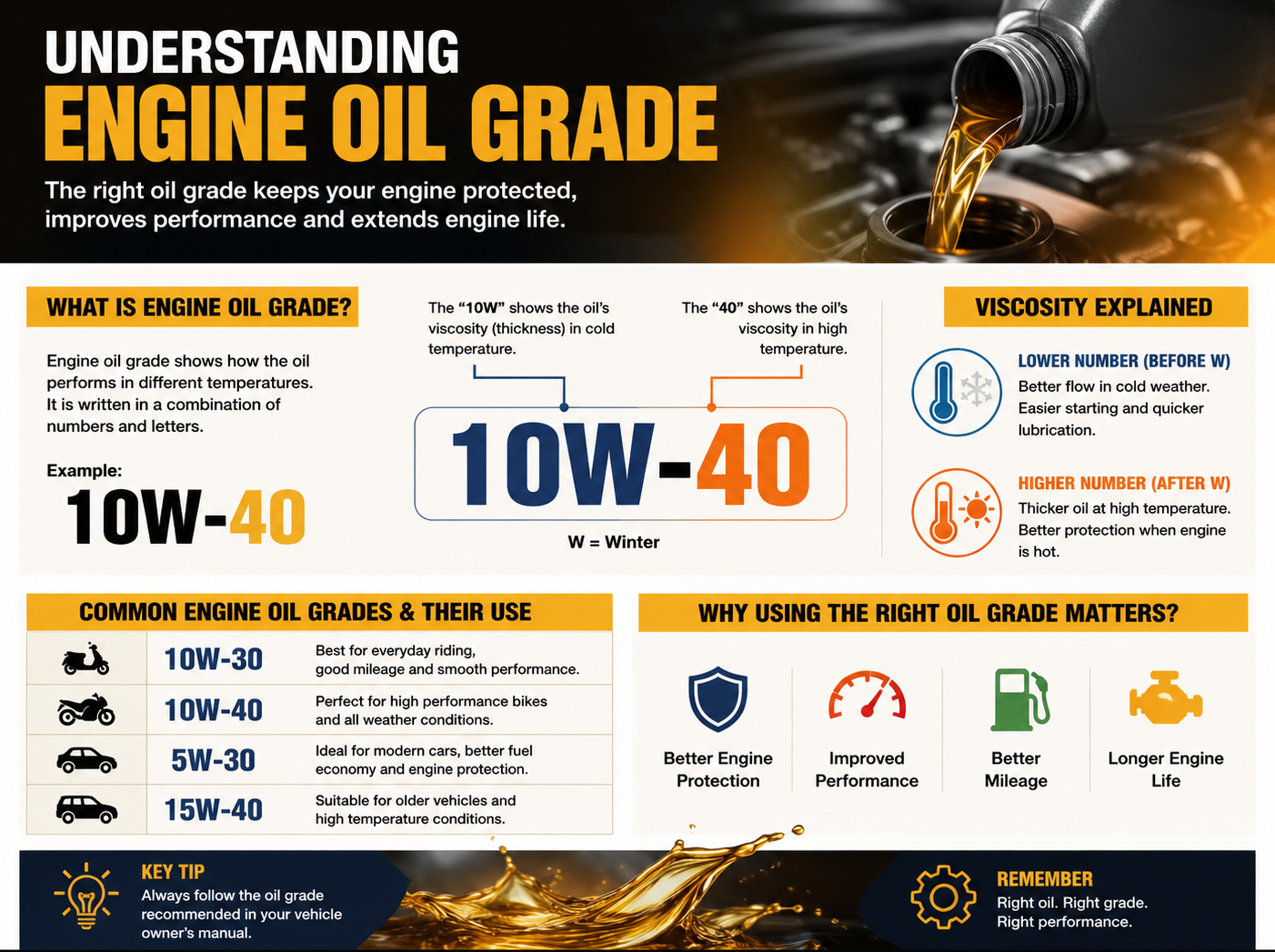
You are standing in the auto parts store. There’s wall of oil bottles. 5W-30, 10W-40, 20W -50 they all look the same. You grab one, hope for the best and leave. Sound familiar most of us have been there.
This surprises most people. The “w” stands for winter. That’s it simple as that. It’s telling you how the oil behaves when it’s cold specifically how easily it flows when you first crank your engine on a freezing morning.
The number before the W is the cold viscosity rating lower number= thinner oil in the cold= flows easier= faster protection when the engine first starts. A 5W flows faster in cold condition than a 20W. makes sense, right.
That second number- the 40 in 10W- 40, or the 50 in 20W-50 is the hot viscosity rating this tells you how thick the oil stays when your engine is fully warmed up and running hard.
Higher number= thinner oil at operating= better film strength= more protection under load. A 20W-50 is quite a bit thicker than a 5W-30 when both are hot.
Good cold weather flow, decent high-temp protection. A solid everyday choice for most modern engines in moderate climate.
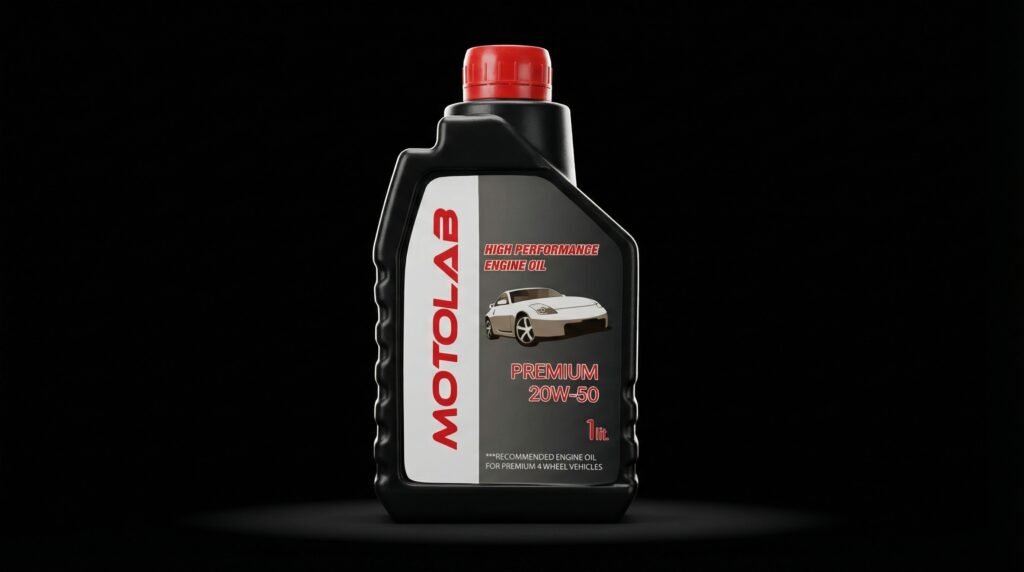
Thicker across the board. Built for hot weather, older engines or high-load conditions lea ideal for cold starts.
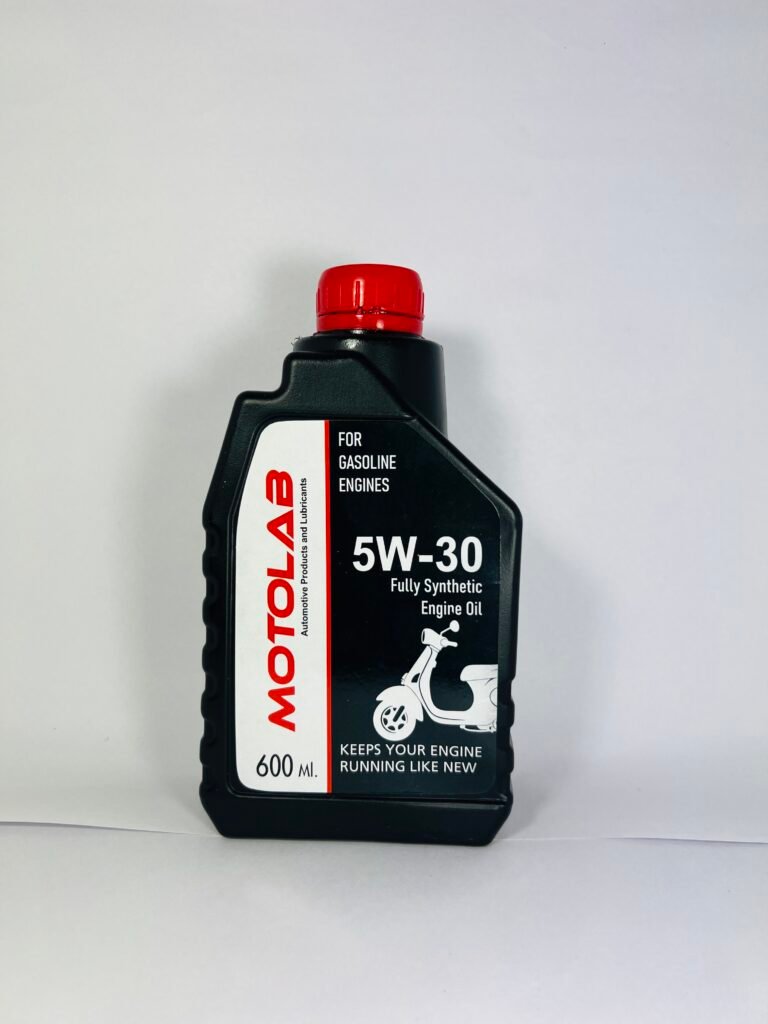
Excellent cold-start flows. Common in modern fuel-efficient engines. Keeps things moving before the engine warms up.
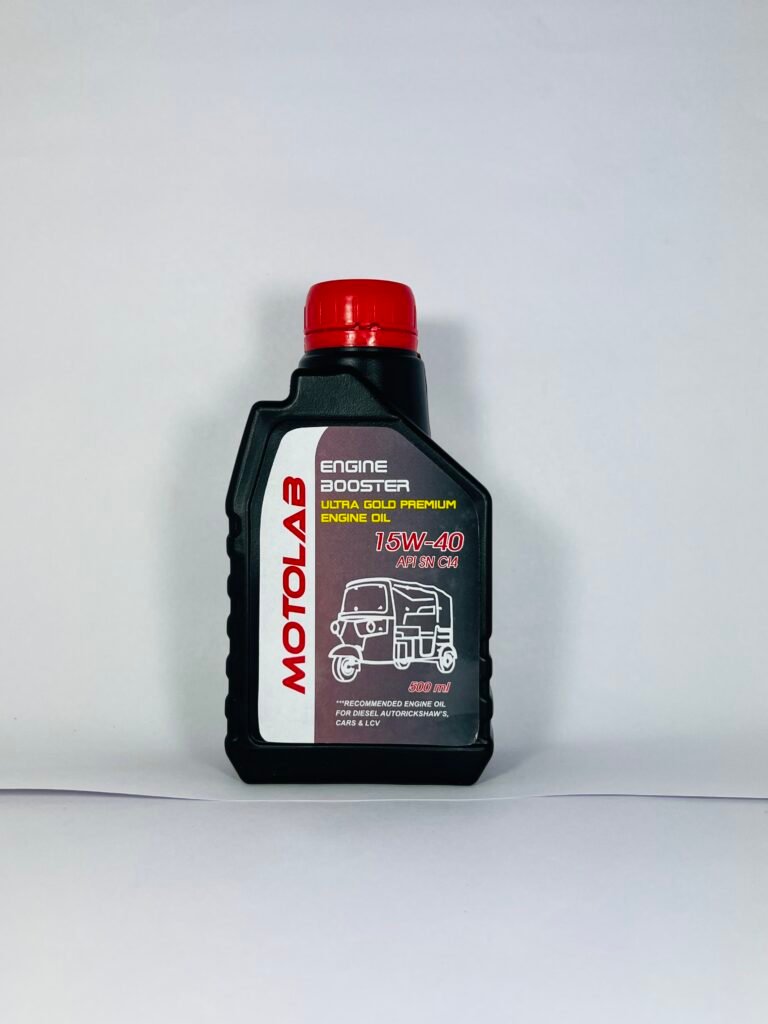
Classic diesel grade. Higher cold number mands slightly slower flow in winter, but grate for big engines under sustained load.
Think of viscosity as the oil’s “resistance to flow” water has very low viscosity. Honey is high engine oil site somewhere in between and that sweet spot changes depending on temperature.
Honestly open your owner’s manual. I know that sounds boring. But the manufactures tested your specific engine and specified exactly what viscosity it needs. That recommendation exists for a reason and going outside it, especially in extreme weather, is how things go wrong.
That said, here’s a rough rule of thumb most mechanics would agree with.
Hot climate, older engines or high mileage? Learn towards a thicker grade 20W-50 or 15W-40 older engines often have slightly larger tolerances between moving parts and thicker oil helps maintain that protection film.
Newer engine cooler climate? Go thinner 5W-30 or 10W-40 modern engines are built tightly and need oil that flows fast from the very first second of start-up.
“The best oil grade is the one your engine manufacturer actually asked for. Everything else is guesswork.”
In Kerala and other hot, humid climate many older bikes and cars run 20W-50 years round and it’s a perfectly reasonable choice. The heat here means thinner oils can sometimes thin out too much under sustained highway use. If you0r mechanic recommends 20W-50 for your older bike, there’s a good reason for it.
Don’t overthink it. The oil grade system exists to give you options for different conditions not to confuse you. Once you understand what the two numbers mean, the rest kind of clicks on its own.
Change your oil on schedule. Use the right grade. And stop grabbing whatever’s on sale without checking the label first. Your engine will thank you even if it can’t exactly say so.